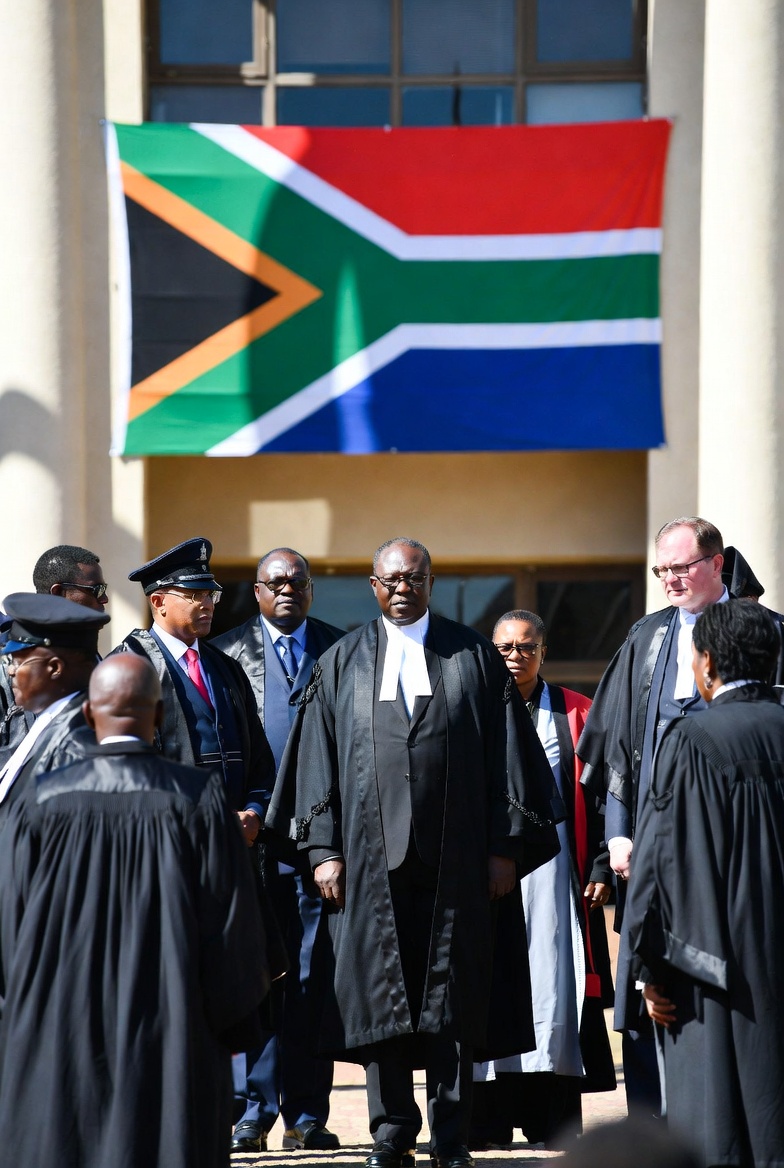
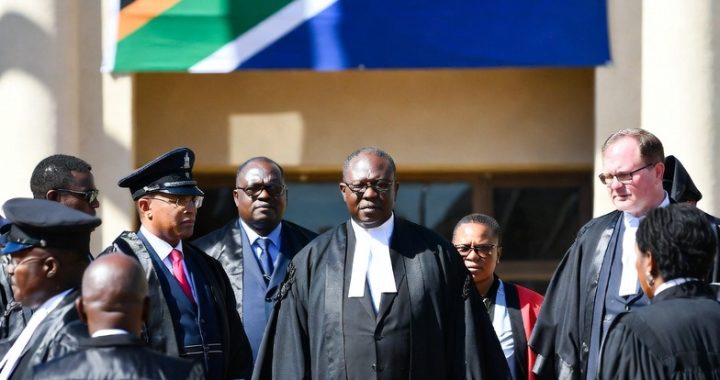
 Courts Have Ended Majority Rule in South Africa
South Africa is no longer a majority-rule country in any straightforward sense. An elected majority can still pass ordinary laws, form governments, and allocate budgets.... Read More
 If State Power Built Afrikaner Prosperity, Why Isn’t It Working for Black South Africans?
4 min read
White South Africans own significant private assets, but they do not own South Africa. The state controls the country's most strategic resources, regulates economic participation, shapes ownership structures, and commands vast fiscal power. If the state is powerful enough to discipline capital, transform industries, and reshape markets, then it is powerful enough to improve economic outcomes. The question South Africans should be asking is simple: what has been done with that power?
... Read More
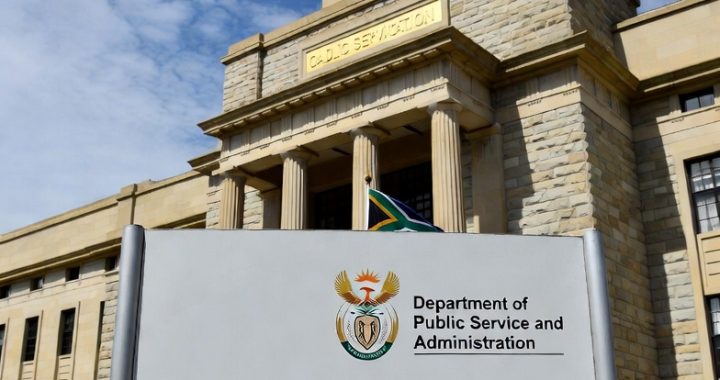
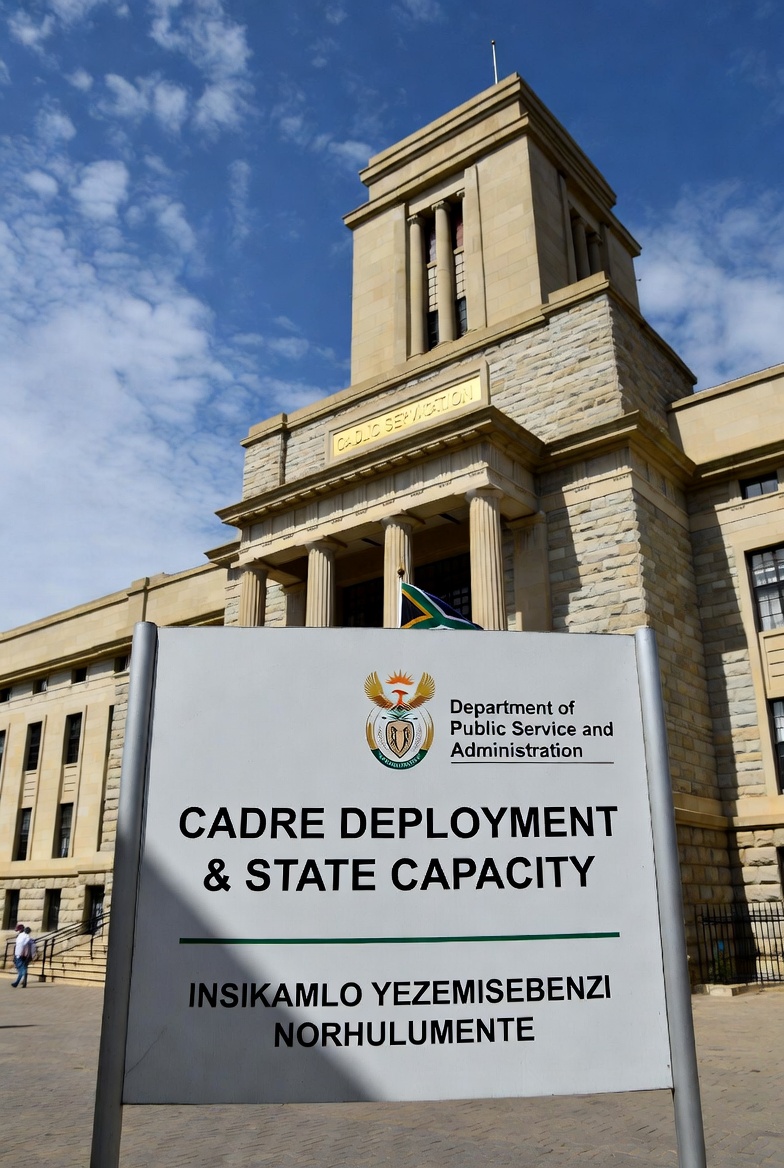 Rights Without Capacity: Is South Africa Building an Illusion of Delivery?
South Africa’s Constitution guarantees rights. Courts enforce them. Treasury allocates billions to comply.
But what if the real crisis isn’t legal — it’s administrative?
Is state capacity strong enough to implement court-mandated rights? Or are we expanding promises faster than we can deliver them?... Read More
 Who Funds Court Rulings?
4 min read
The Fiscal Politics of Constitutional Compliance in South Africa. Who funds rights court rulings?... Read More
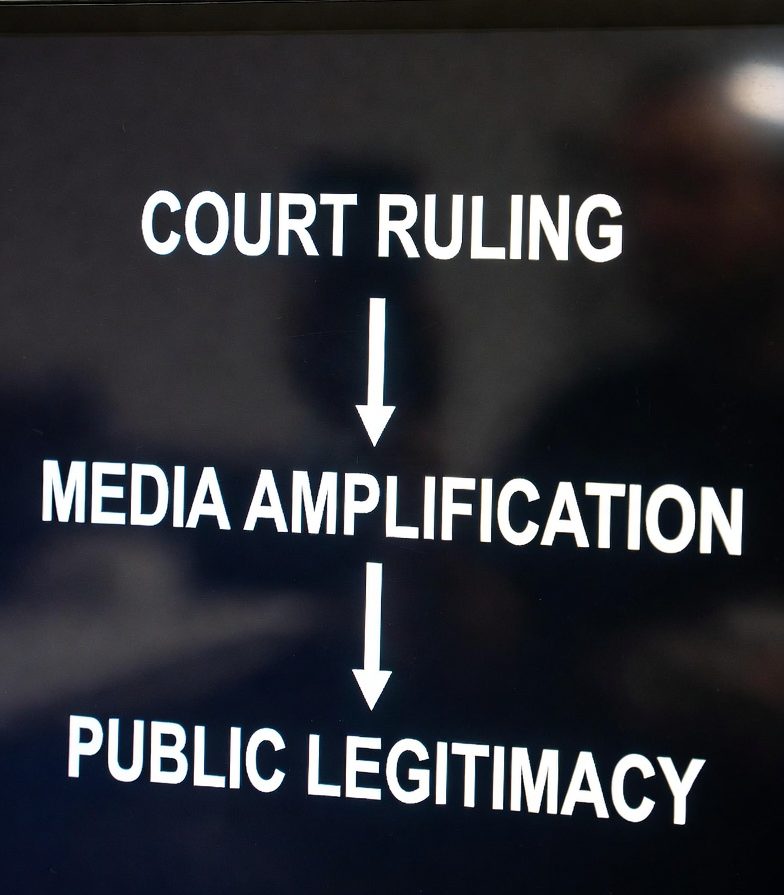 Media, Rulings & Policy Flow: How Courts Quietly Shape South African Governance
We’re told democracy flows from voters to Parliament to policy.
But sometimes it looks like this:
Media spotlight → Court ruling → Media consensus → Legislative alignment.
The BELA debate shows how quickly this cycle can move.
Judges don’t campaign. Media doesn’t legislate.
Yet together, they can shift governance.
So who’s really steering?... Read More
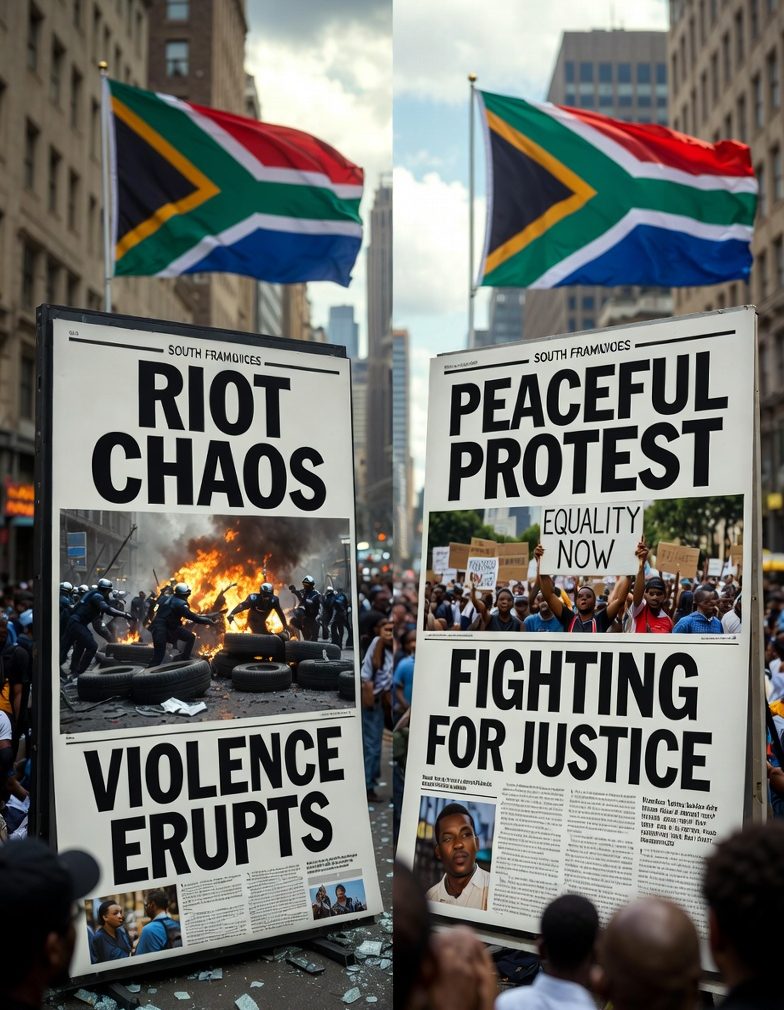 Framing the Nation: How Media Narratives Shape Political Reality in South Africa
Does the media simply report political reality — or shape it? From coalition coverage to court rulings, framing influences how citizens interpret power, legitimacy, and accountability. This piece breaks down the mechanics behind narrative construction in South African political reporting.... Read More
From immigration rulings to service delivery orders, South Africa’s judiciary is increasingly shaping policy outcomes — raising questions about where law ends, and governance begins.... Read More
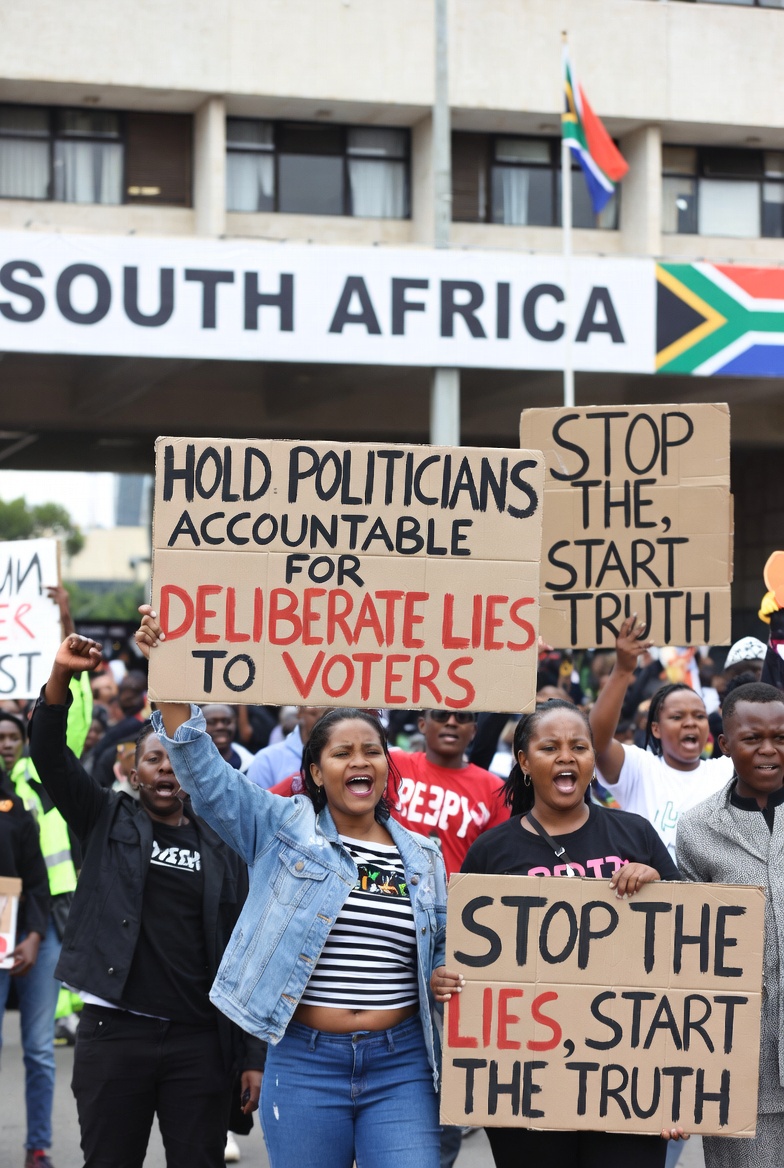 Should South Africa Criminalise Political Lies? Lessons From Wales’s Democratic Reform
As Wales moves to hold politicians accountable for deliberate lies, South Africa must confront its own accountability gap... Read More
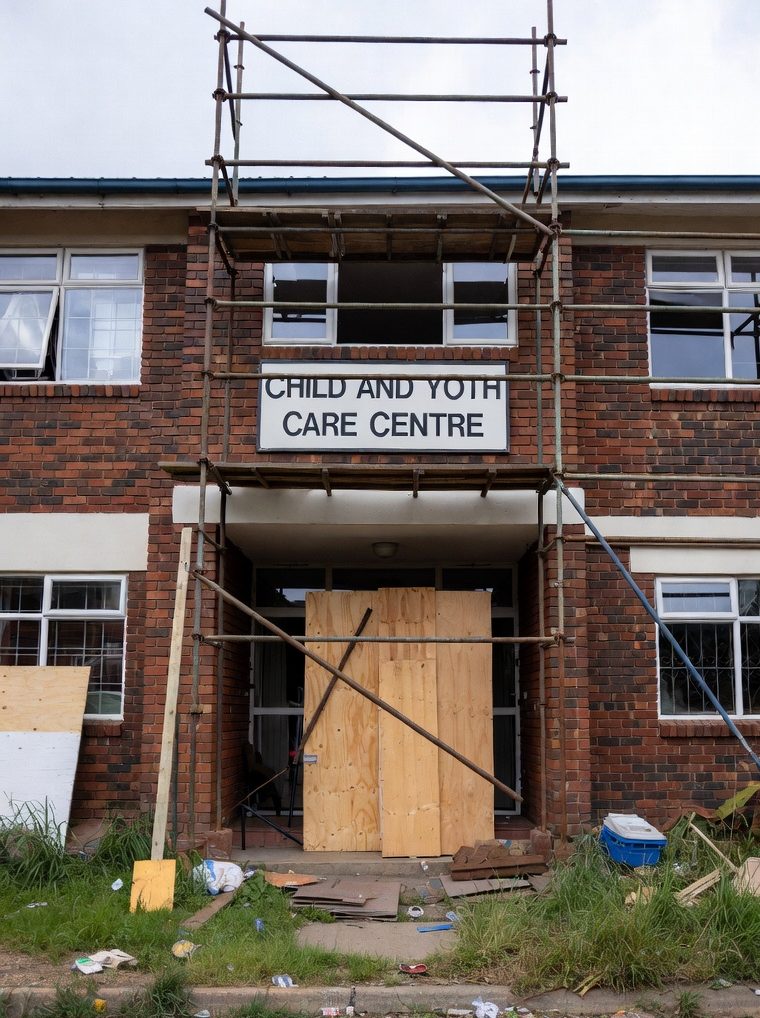 The Quiet Phasing Out of Childcare Institutions
As South Africa moves to phase out childcare homes in favour of family-based placements, a deeper question emerges: is this child-welfare reform — or part of a broader pattern of the state withdrawing from direct service delivery?... Read More
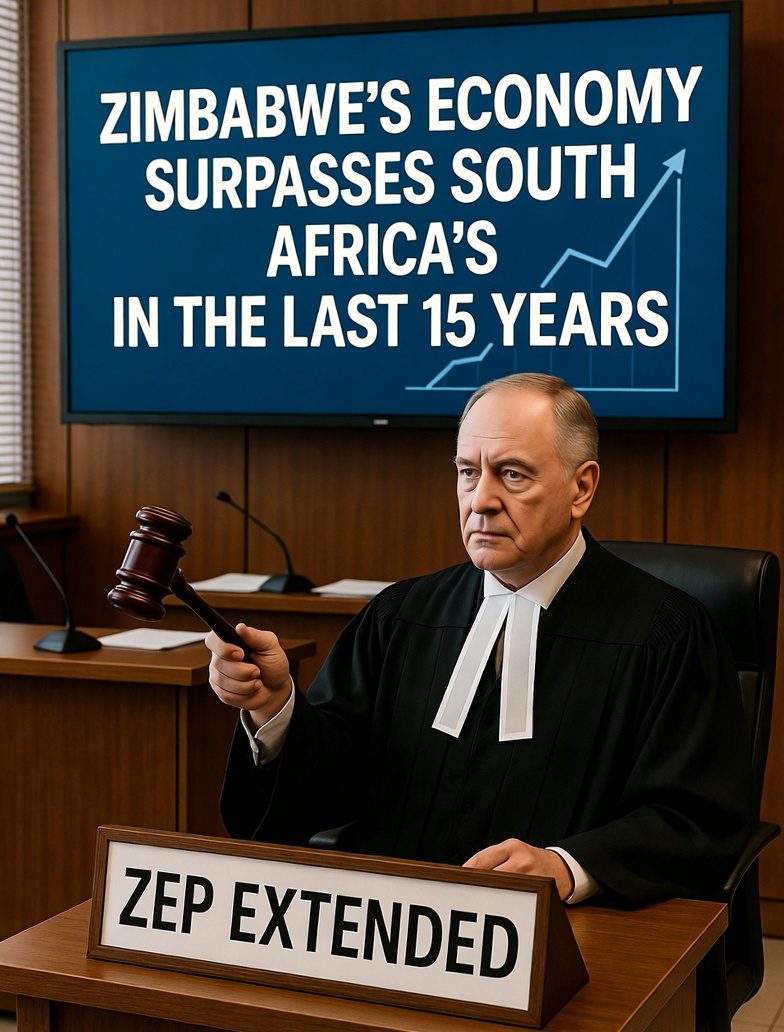 Zimbabwe’s Economy Improved. The Data Changed. The ZEP Just Kept Getting Extended
An examination of how economic change was ignored in legal decisions on ZEP extensions... Read More
 Courts Have Ended Majority Rule in South Africa
 If State Power Built Afrikaner Prosperity, Why Isn’t It Working for Black South Africans?
 Rights Without Capacity: Is South Africa Building an Illusion of Delivery?
 Who Funds Court Rulings?