 Rights Without Capacity: Is South Africa Building an Illusion of Delivery?
South Africa’s Constitution guarantees rights. Courts enforce them. Treasury allocates billions to comply.
But what if the real crisis isn’t legal — it’s administrative?
Is state capacity strong enough to implement court-mandated rights? Or are we expanding promises faster than we can deliver them?... Read More
Lungi Nkosi
Hi, I’m Lungi, the writer and researcher behind Political Nexus. I started this blog because I believe politics and history aren’t just distant, academic subjects — they shape how we live, how we understand the world, and how we imagine the future.
I’m not here to lecture; I’m here to ask questions, share insights, and spark conversations. Whether it’s unpacking a breaking news story, looking back at a key moment in history, or analyzing the choices of today’s leaders, I aim to keep things clear, thoughtful, and engaging.
My interest in politics and history comes from a lifelong curiosity about power — who holds it, how it’s used, and how ordinary people are affected by it. Over the years, I’ve seen how narratives are built, how facts are bent to fit agendas, and how history is used as both a weapon and a guide. That’s why Political Nexus is more than a blog — it’s a space for reflection, inquiry, and conversation.
I write about:
Politics: current events, government decisions, and global trends that affect South Africa and beyond.
History: how past events continue to echo in today’s politics and society.
Media & Narratives: questioning how stories are told, what gets left out, and why.
When I’m not writing, you can usually find me [behind the computer creating stories to tell, exploring books on history and philosophy, debating ideas over coffee with friends, or experimenting with new projects.
At the heart of it, I see myself as a storyteller — one who isn’t afraid to challenge easy answers, ask uncomfortable questions, and look deeper than the surface. My hope is that readers like you walk away from each article not just more informed, but more curious.
So, welcome to Political Nexus. Let’s explore, question, and learn together.
 Who Funds Court Rulings?
4 min read
Who Funds Court Rulings?
4 min read
The Fiscal Politics of Constitutional Compliance in South Africa. Who funds rights court rulings?... Read More
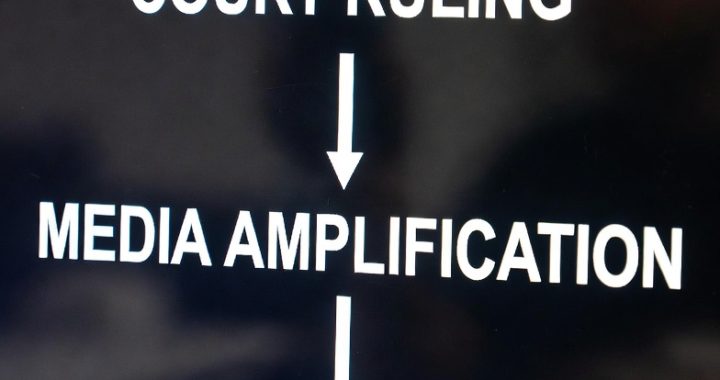
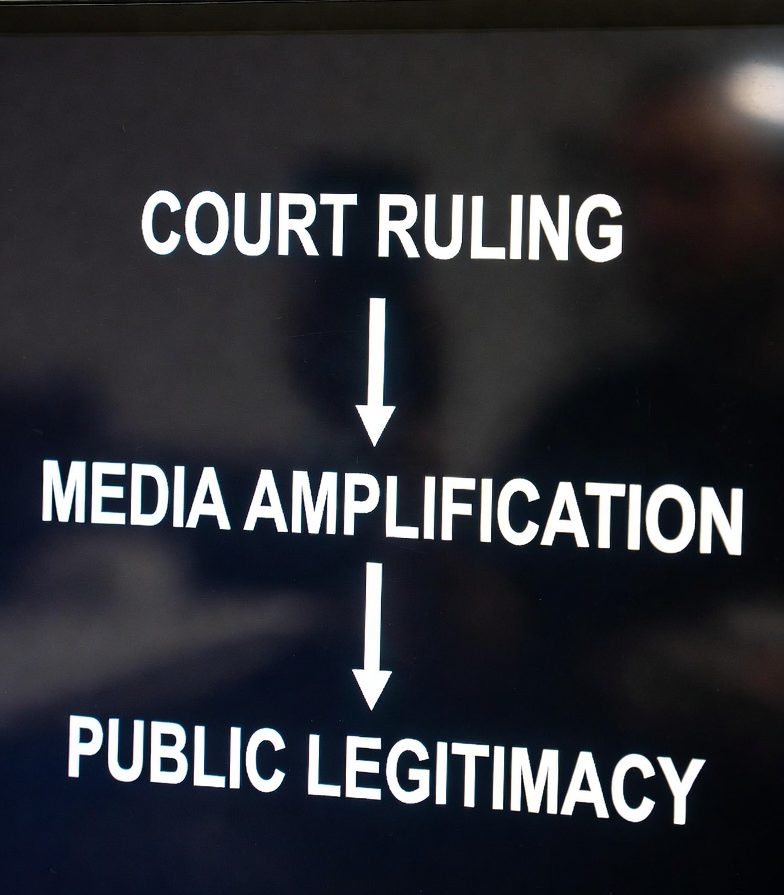 Media, Rulings & Policy Flow: How Courts Quietly Shape South African Governance
We’re told democracy flows from voters to Parliament to policy.
But sometimes it looks like this:
Media spotlight → Court ruling → Media consensus → Legislative alignment.
The BELA debate shows how quickly this cycle can move.
Judges don’t campaign. Media doesn’t legislate.
Yet together, they can shift governance.
So who’s really steering?... Read More
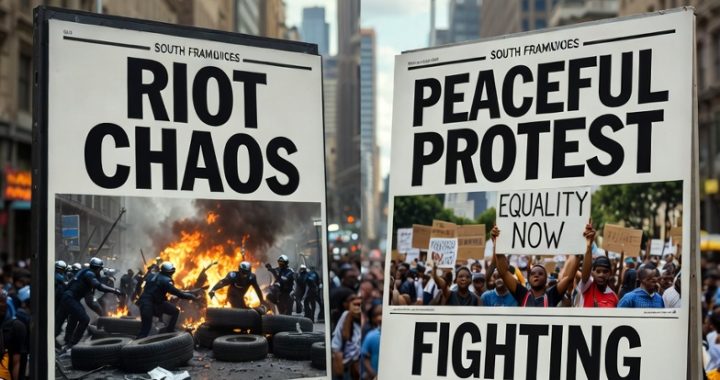
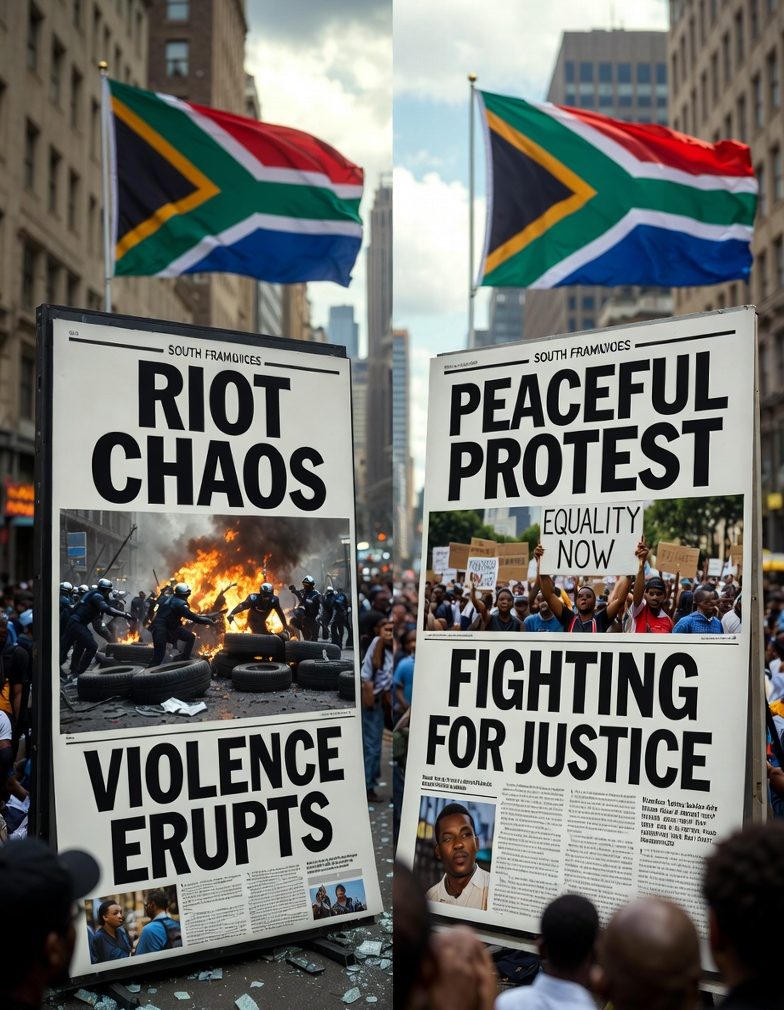 Framing the Nation: How Media Narratives Shape Political Reality in South Africa
Does the media simply report political reality — or shape it? From coalition coverage to court rulings, framing influences how citizens interpret power, legitimacy, and accountability. This piece breaks down the mechanics behind narrative construction in South African political reporting.... Read More
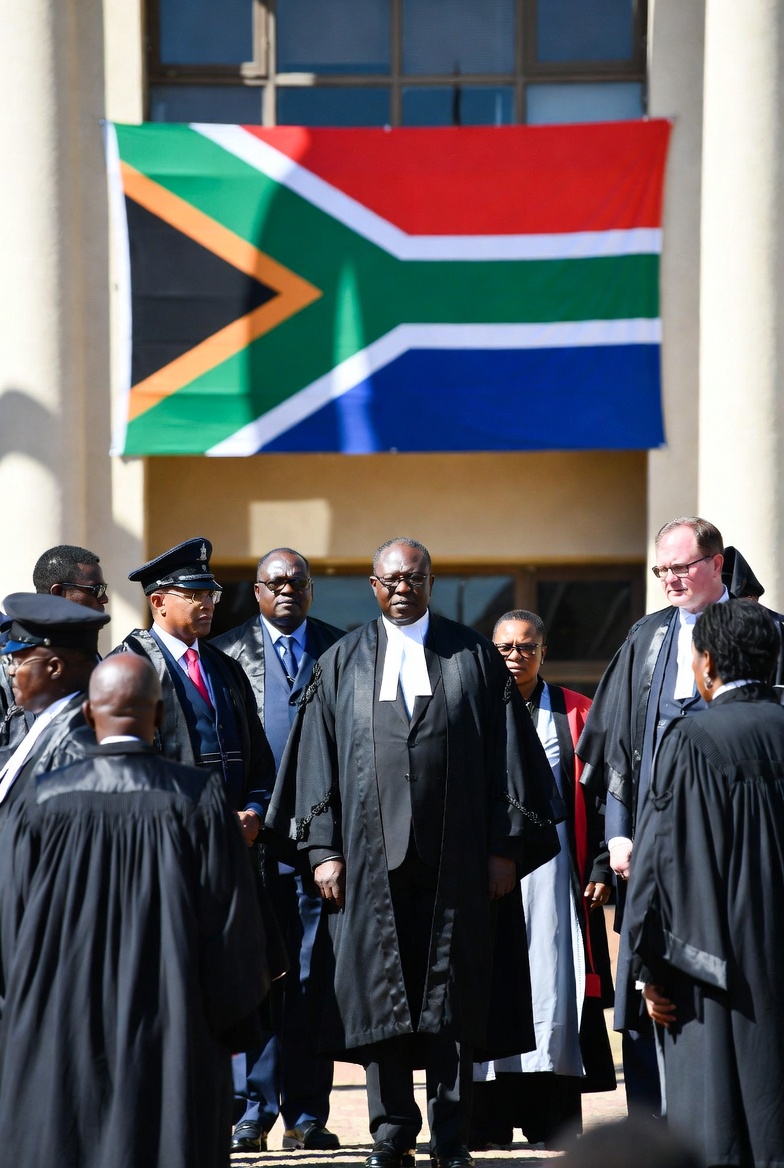 Governing by Court Order: The Rise of Juristocracy in South Africa
From immigration rulings to service delivery orders, South Africa’s judiciary is increasingly shaping policy outcomes — raising questions about where law ends, and governance begins.... Read More
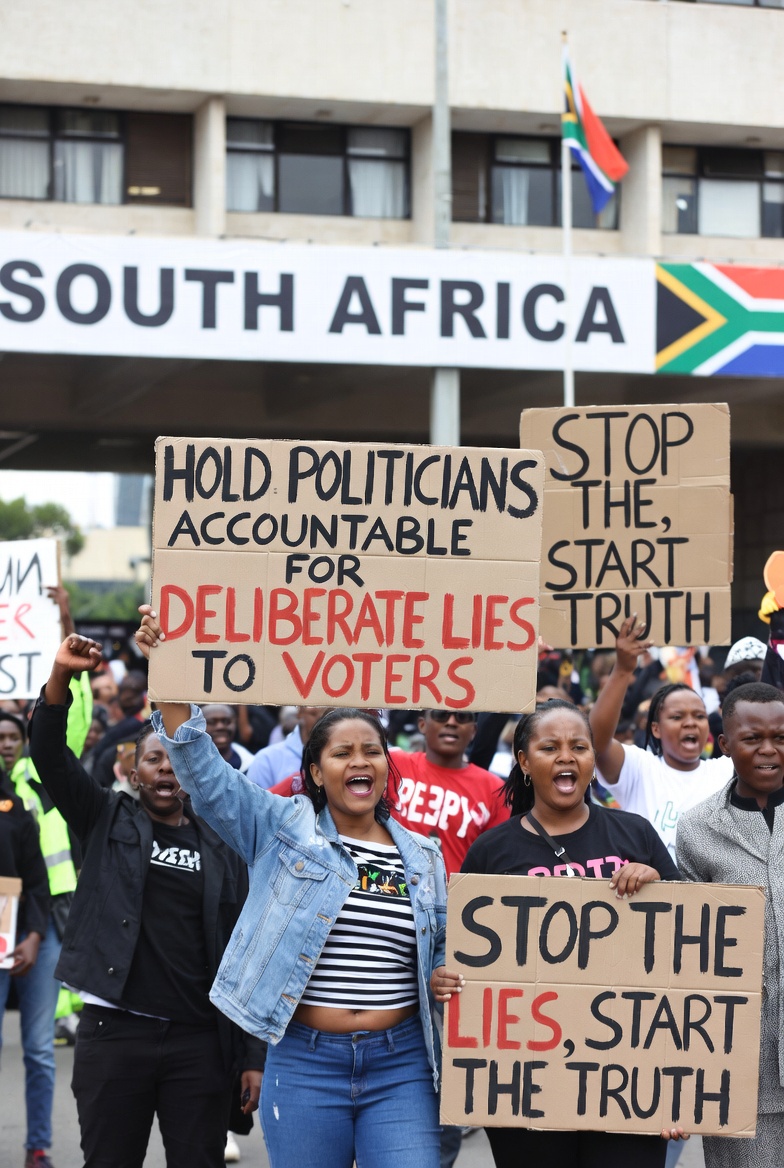 Should South Africa Criminalise Political Lies? Lessons From Wales’s Democratic Reform
As Wales moves to hold politicians accountable for deliberate lies, South Africa must confront its own accountability gap... Read More
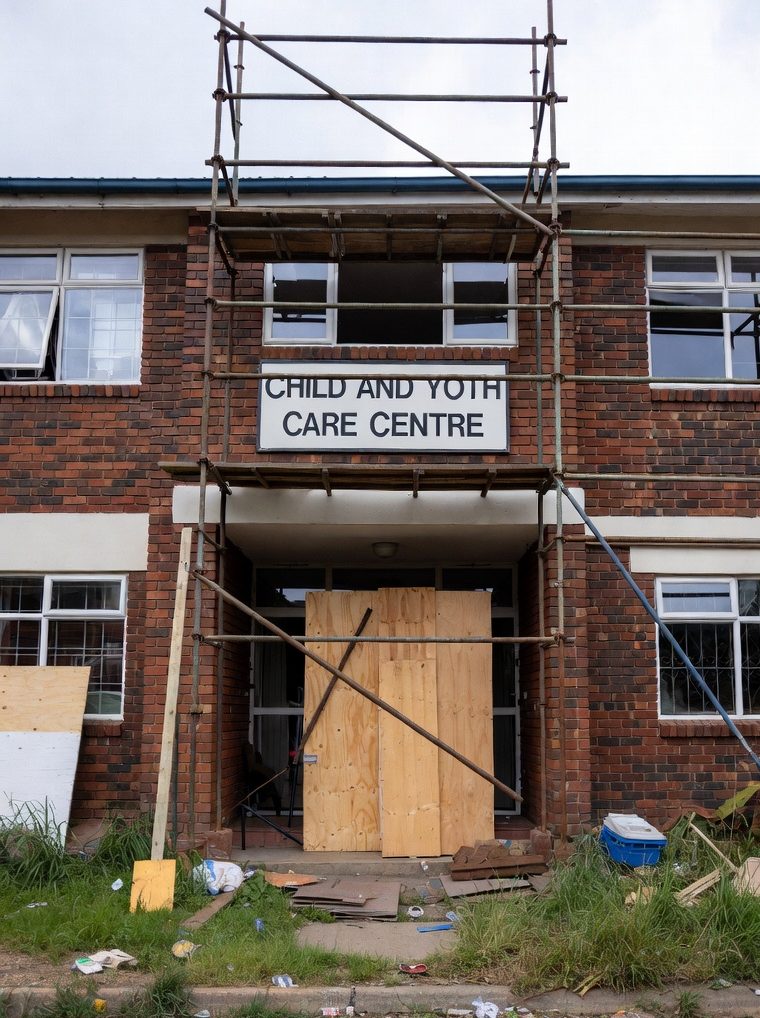 The Quiet Phasing Out of Childcare Institutions
As South Africa moves to phase out childcare homes in favour of family-based placements, a deeper question emerges: is this child-welfare reform — or part of a broader pattern of the state withdrawing from direct service delivery?... Read More
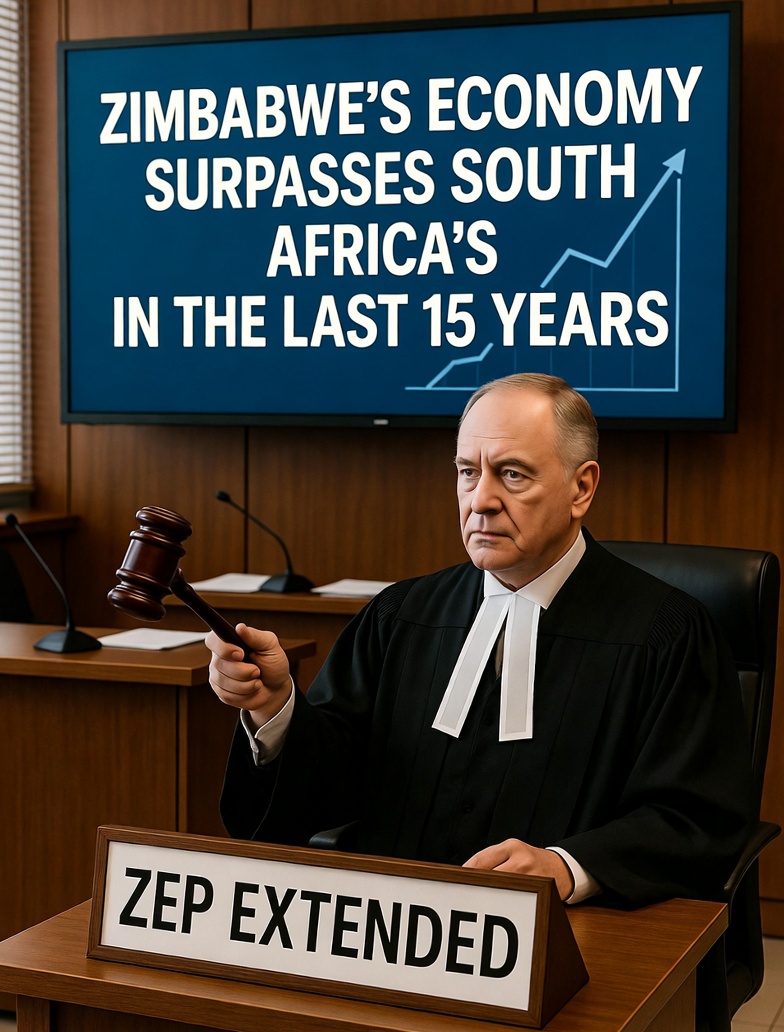 Zimbabwe’s Economy Improved. The Data Changed. The ZEP Just Kept Getting Extended
An examination of how economic change was ignored in legal decisions on ZEP extensions... Read More
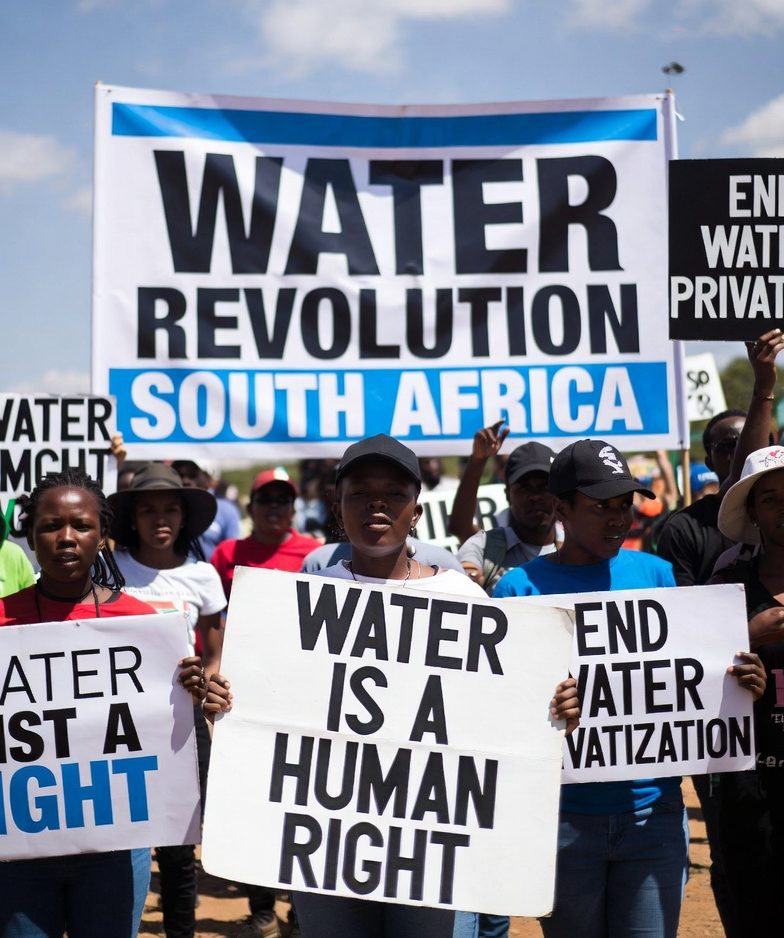 A Water Revolution — or an Admission of Failure?
In 2022, Johannesburg Mayor Dada Morero outlined what he described as a “water revolution” — a vision in which households would rely on JoJo tanks and rainwater harvesting to manage water shortages. While the statement is not new, the conditions that produced it remain firmly in place. Persistent outages, ageing infrastructure, and repeated disruptions suggest that the underlying logic of adaptation rather than repair continues to shape how the crisis is framed. In that sense, the vision has not faded with time; it has quietly become normalised.... Read More
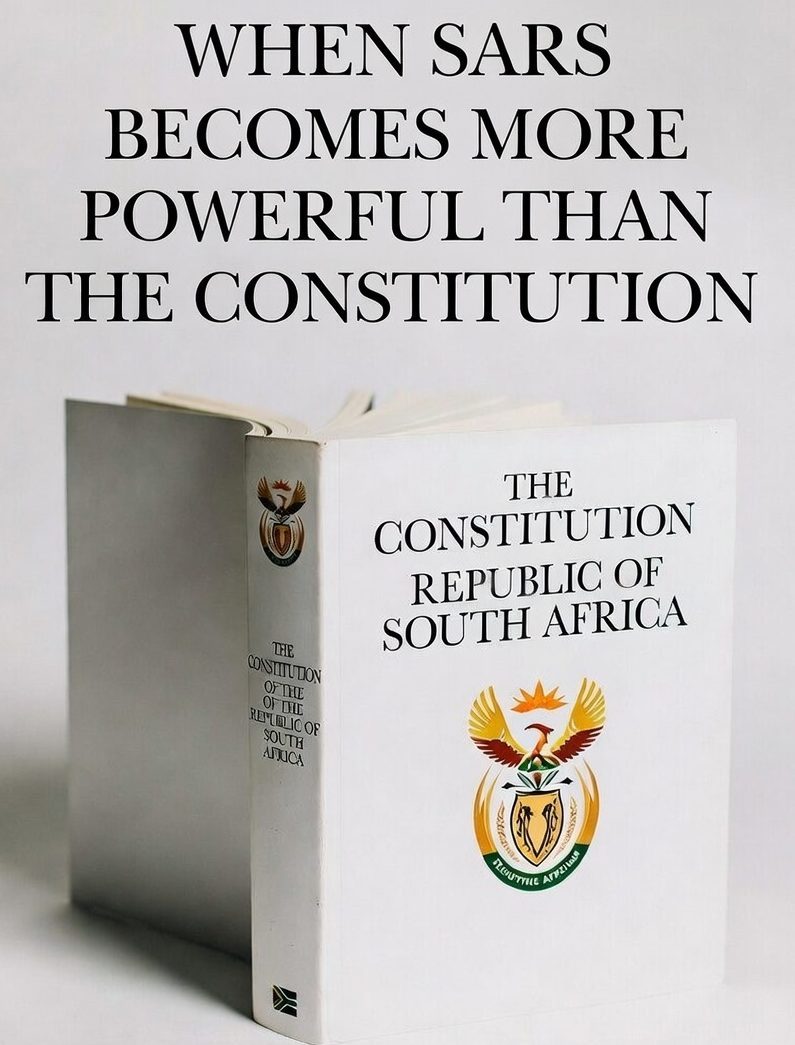 When SARS Becomes More Powerful Than the Constitution
Tax collection is essential to the state. Constitutional legitimacy is even more so. As SARS exercises unprecedented power over citizens’ finances, the balance between enforcement and constitutional restraint demands scrutiny.... Read More
 Rights Without Capacity: Is South Africa Building an Illusion of Delivery?
  Who Funds Court Rulings?
  Media, Rulings & Policy Flow: How Courts Quietly Shape South African Governance
  Framing the Nation: How Media Narratives Shape Political Reality in South Africa