ZEP Extension: Compassion or Complacency
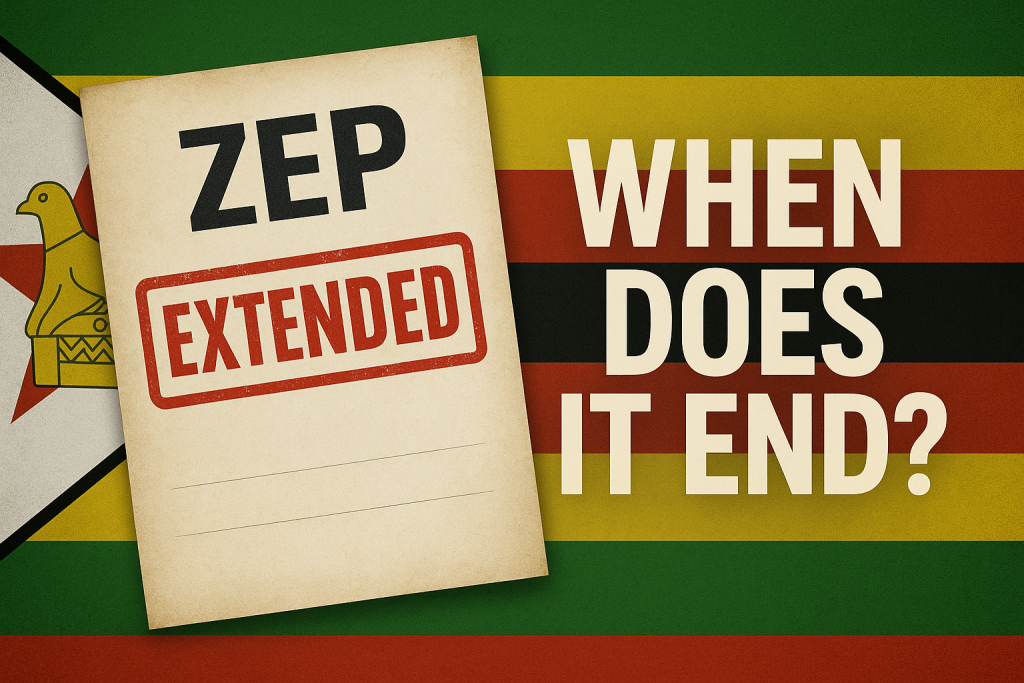
The South African government has again extended the Zimbabwe Exemption Permit (ZEP), granting Zimbabwean nationals more time to live and work in South Africa. On the surface, this decision seems compassionate — a gesture of solidarity toward a struggling neighbour. Yet, beneath the humanitarian language lies a more uncomfortable truth: the ZEP extension may enable complacency for Zimbabwe’s leadership and its citizens abroad.
Zimbabwe’s economic woes started in the early 2000s when Zimbabwe, under the leadership of Robert Mugabe, reneged on its promise in the Lancaster agreement. Since then, other nations such as Australia, the UK, and, more especially, South Africa took on Zimbabwe’s unemployment crisis. Both its skilled and unskilled labour has become intertwined in the labour market of those countries. His diaspora sends billions of rand and dollars in remittances annually — a lifeline that keeps many families afloat. However, that same financial lifeline also sustains a system of avoidance: the country survives on external aid instead of internal reform.
Learning from History
After the First World War, Germany was heavily sanctioned, its land given to other countries, humiliated and bankrupt. Within four years of Adolf Hitler’s reign, he rebuilt Germany’s economy through industrial revival and a ruthless commitment to national reconstruction.
Acknowledging this example is not to glorify Hitler’s politics or morality — it’s to recognize how political will and coordinated national effort can transform even the most devastated economy.
On the other hand, Zimbabwe has not faced the harsh sanctions Germany once faced with the Treaty of Versailles. It has had the advantage of peace, natural resources, and one of Africa’s most educated populations. Yet, despite its potential, it has failed to rebuild itself. The same Zimbabweans who thrive abroad — running businesses, teaching, engineering, and providing healthcare — seem powerless to apply their talents at home.
The Real Problem: Governance or Mindset?
For decades, the narrative has been that sanctions and external pressures weaken Zimbabwe’s economy. But this argument grows weaker each year. If a nation’s citizens can send billions in remittances, they can surely rebuild their industries, infrastructure, and institutions.
Zimbabwe’s problems seem self-inflicted through corruption, mismanagement, and a leadership that thrives on chaos and crisis.
Each new wave of migration removes pressure from the government to reform. Why fix the economy when citizens abroad will keep sending money home? Why fix the economy when neighbouring countries are willing to take on the responsibility of their citizens?
South Africa’s Dilemma
South Africa, meanwhile, has become a reluctant host. It balances between humanitarian duty and domestic frustration. The ZEP extension eases immediate human suffering but creates long-term dependency. It allows Zimbabwe’s problems to remain externalized — outsourced to neighbouring countries.
How long can South Africa absorb Zimbabwe’s economic failures without addressing their root cause? At what point does compassion turn into complicity?
The Diaspora’s Role in Rebuilding
Zimbabwe’s diaspora has proven its competence. Abroad, they succeed in structured systems, contribute to tax bases, and uplift economies they did not build. But patriotism cannot live only in remittance receipts. The real challenge is whether the same diaspora can channel their skills, discipline, and resources toward rebuilding their homeland.
Reconstruction does not require everyone to return — it requires commitment to building sustainable local industries, investing in community development, and demanding real accountability from those in power.
A Call for Reflection
The ZEP extension should not be viewed as a victory. It should be a wake-up call — a reminder of how far Zimbabwe has drifted from self-sufficiency. Each extension signals another year of deferred accountability and lost potential.
Zimbabweans have proven they can survive anywhere. The question is, have they proven that they have the resources, money, and skills to rebuild their nation? What has informed the courts’ extension of the ZEP and now the Minister of Home Affairs?
Table of Contents
ToggleAbout The Author

Lungi Nkosi
Hi, I’m Lungi, the writer and researcher behind Political Nexus. I started this blog because I believe politics and history aren’t just distant, academic subjects — they shape how we live, how we understand the world, and how we imagine the future.
I’m not here to lecture; I’m here to ask questions, share insights, and spark conversations. Whether it’s unpacking a breaking news story, looking back at a key moment in history, or analyzing the choices of today’s leaders, I aim to keep things clear, thoughtful, and engaging.
My interest in politics and history comes from a lifelong curiosity about power — who holds it, how it’s used, and how ordinary people are affected by it. Over the years, I’ve seen how narratives are built, how facts are bent to fit agendas, and how history is used as both a weapon and a guide. That’s why Political Nexus is more than a blog — it’s a space for reflection, inquiry, and conversation.
I write about:
Politics: current events, government decisions, and global trends that affect South Africa and beyond.
History: how past events continue to echo in today’s politics and society.
Media & Narratives: questioning how stories are told, what gets left out, and why.
When I’m not writing, you can usually find me [behind the computer creating stories to tell, exploring books on history and philosophy, debating ideas over coffee with friends, or experimenting with new projects.
At the heart of it, I see myself as a storyteller — one who isn’t afraid to challenge easy answers, ask uncomfortable questions, and look deeper than the surface. My hope is that readers like you walk away from each article not just more informed, but more curious.
So, welcome to Political Nexus. Let’s explore, question, and learn together.
 Rights Without Capacity: Is South Africa Building an Illusion of Delivery?
  Who Funds Court Rulings?
  Media, Rulings & Policy Flow: How Courts Quietly Shape South African Governance
  Framing the Nation: How Media Narratives Shape Political Reality in South Africa
  Governing by Court Order: The Rise of Juristocracy in South Africa
  The Quiet Phasing Out of Childcare Institutions
1 thought on “ZEP Extension: Compassion or Complacency”